

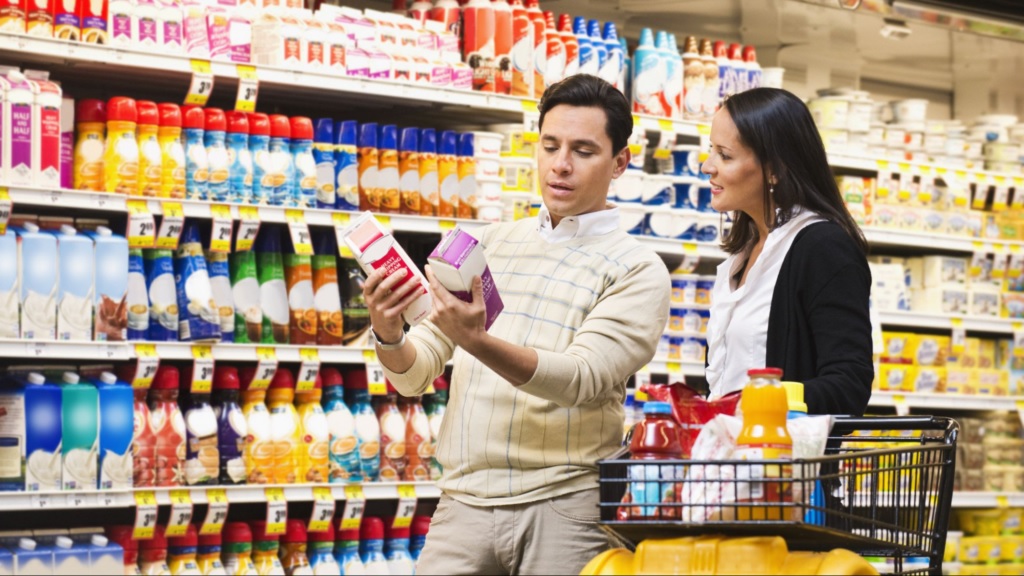
Introduction
Retailers form the backbone of the global economy, connecting manufacturers with consumers and influencing purchasing trends across industries. In today’s fast-paced market, retailers are no longer just points of sale—they are dynamic entities embracing technology, customer experience, and innovative strategies to remain competitive. Understanding the nuances of retailing is crucial for businesses, entrepreneurs, and marketers seeking to thrive in this evolving landscape.
The Role of Retailers in the Economy
Retailers serve as the vital link between production and consumption. By offering products in convenient locations, maintaining inventories, and facilitating transactions, retailers ensure that consumers have access to goods efficiently. The retail sector contributes significantly to employment, tax revenues, and economic activity. In developed markets, retailers often act as trendsetters, influencing consumer behavior and lifestyle choices. Meanwhile, in emerging economies, retailers help in building distribution networks and enabling market access for both local and international brands.
Types of Retailers
Retailers operate under various formats, each with distinct strategies and consumer engagement approaches.
- Department Stores: Offer a wide range of products under one roof, including apparel, electronics, and home goods. These stores focus on convenience and variety.
- Supermarkets and Grocery Stores: Specialize in food and daily essentials, often emphasizing price competitiveness and location accessibility.
- Specialty Stores: Concentrate on specific product categories, such as cosmetics, electronics, or sports gear, providing in-depth expertise and curated selections.
- E-commerce Retailers: Operate online platforms that allow consumers to purchase products with convenience and speed. Companies like Amazon and Alibaba exemplify the transformative power of digital retail.
- Discount Stores and Warehouse Clubs: Cater to cost-conscious shoppers by offering bulk products at lower prices. Examples include Costco and Walmart.
Retail Strategies in the Modern Market
Retailers today employ sophisticated strategies to attract and retain customers.
- Omnichannel Retailing: Integrating physical stores with online channels ensures a seamless customer experience. Retailers can reach consumers through websites, mobile apps, social media, and brick-and-mortar outlets.
- Personalization: Using data analytics, retailers provide personalized product recommendations, tailored promotions, and customized shopping experiences.
- Loyalty Programs: Reward programs incentivize repeat purchases, increasing customer retention and lifetime value.
- Experiential Retail: Creating immersive shopping environments helps differentiate physical stores from online competitors. Interactive displays, in-store events, and sensory experiences enhance brand engagement.
- Sustainability Initiatives: Eco-conscious practices, such as using sustainable packaging and sourcing responsibly, appeal to environmentally aware consumers.
Technology Transforming Retail
Technological innovation is reshaping the way retailers operate and interact with customers.
- Artificial Intelligence (AI): AI helps retailers optimize inventory, forecast demand, and personalize marketing campaigns. Chatbots provide instant customer support and streamline online transactions.
- Augmented Reality (AR) and Virtual Reality (VR): AR and VR technologies allow customers to visualize products in their environment, enhancing confidence in purchase decisions.
- Mobile Payment Systems: Digital wallets and contactless payments improve transaction speed and convenience.
- Inventory Management Systems: Advanced software solutions allow retailers to maintain accurate stock levels, reduce waste, and respond to market demand efficiently.
- Data Analytics: Retailers leverage big data to understand consumer preferences, identify trends, and optimize pricing strategies.
Challenges Faced by Retailers
Despite technological advancements and strategic innovations, retailers encounter several challenges:
- Intense Competition: Globalization and e-commerce have intensified competition, requiring retailers to continuously innovate.
- Changing Consumer Behavior: Modern consumers prioritize convenience, experience, and sustainability, pushing retailers to adapt quickly.
- Supply Chain Disruptions: External factors such as geopolitical issues, natural disasters, and pandemics can disrupt supply chains, impacting product availability and pricing.
- Rising Operational Costs: Labor, rent, and technology investments can strain profitability, particularly for smaller retailers.
- Cybersecurity Threats: Online retailers face data breaches, fraud, and cyber-attacks, requiring robust security measures.
Future Trends in Retail
The retail industry is poised for continuous evolution. Key trends shaping its future include:
- AI-Driven Automation: AI and robotics will further streamline supply chains, inventory management, and customer service.
- Sustainable Retail Practices: Eco-friendly products, ethical sourcing, and transparent supply chains will become standard expectations.
- Hybrid Shopping Experiences: Combining online convenience with immersive in-store experiences will define the next generation of retail.
- Voice Commerce and Smart Devices: Voice-activated shopping and smart home integration will enhance accessibility and ease of purchase.
- Subscription Models: Subscription-based services for products ranging from fashion to groceries will gain popularity for convenience and personalized offerings.
Conclusion
Retailers are more than just businesses selling products—they are experience creators, trendsetters, and strategic innovators. By embracing omnichannel strategies, technology, and sustainability, retailers can meet evolving consumer expectations while maintaining profitability. As the industry continues to transform, retailers who prioritize customer-centric approaches and innovation will lead the market in the years to come.
FAQs
1. What is the difference between traditional and modern retailers?
Traditional retailers primarily operate physical stores, while modern retailers leverage digital platforms, data analytics, and omnichannel strategies to enhance customer engagement.
2. How do retailers use technology to improve customer experience?
Retailers employ AI, AR/VR, mobile apps, and personalized marketing tools to create tailored shopping experiences, streamline transactions, and optimize product recommendations.
3. What role do loyalty programs play in retail success?
Loyalty programs incentivize repeat purchases, foster brand loyalty, and provide valuable consumer data for marketing and inventory planning.
4. How are e-commerce platforms impacting traditional retail stores?
E-commerce platforms offer convenience, competitive pricing, and global reach, pushing traditional retailers to innovate, adopt omnichannel strategies, and enhance in-store experiences.
5. What sustainability practices are retailers adopting?
Retailers are increasingly using eco-friendly packaging, responsibly sourcing products, minimizing waste, and promoting transparent supply chains to appeal to environmentally conscious consumers.
6. How do retailers handle supply chain disruptions?
Retailers diversify suppliers, maintain buffer inventory, implement real-time tracking systems, and use predictive analytics to mitigate risks associated with supply chain disruptions.
7. What are the emerging trends shaping the future of retail?
Key trends include AI-driven automation, hybrid shopping experiences, subscription models, voice commerce, and sustainable practices that align with modern consumer expectations.

Comments are closed.