

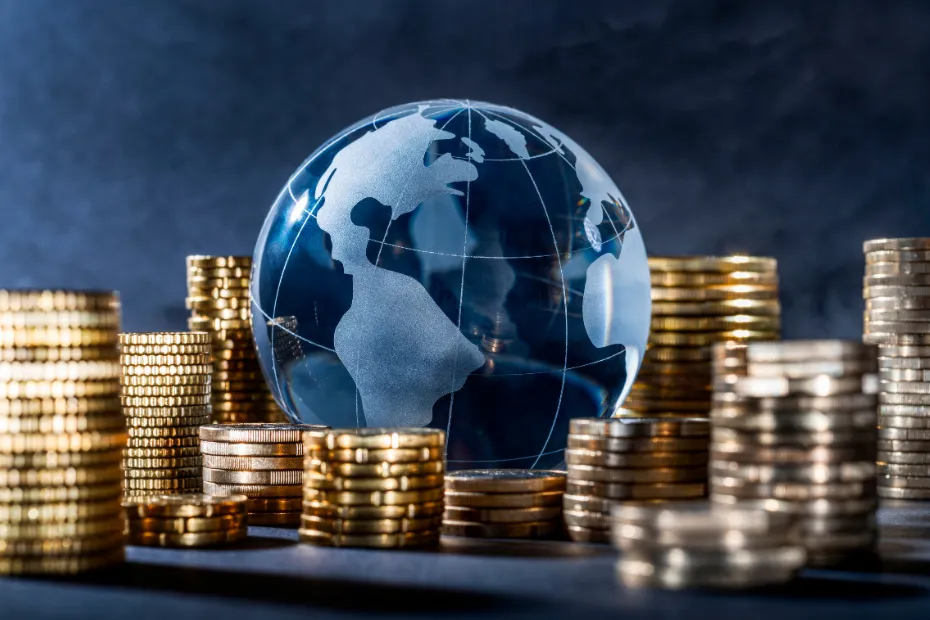
The economy is the backbone of any nation, shaping the standard of living, business opportunities, employment, and government policies. It encompasses all activities related to production, distribution, and consumption of goods and services. Understanding the economy requires examining its structure, the factors influencing growth, major indicators, and the impact of global events. Both individuals and businesses are directly affected by economic trends, making it essential to stay informed about economic developments.
What is an Economy?
An economy refers to the system through which countries or regions manage resources, produce goods and services, and facilitate trade. Economists often categorize economies into different types based on ownership, control, and market operations.
Types of Economies
- Market Economy: Decisions about production, investment, and consumption are determined by supply and demand. Examples include the United States and Australia.
- Command Economy: The government controls production and distribution. Examples include North Korea and Cuba.
- Mixed Economy: Combines elements of both market and command economies. Countries like India, Canada, and the UK follow this system.
- Traditional Economy: Based on customs, traditions, and barter systems, often found in rural and indigenous communities.
Each type of economy operates differently and responds uniquely to domestic and global factors.
Key Components of an Economy
The functioning of an economy is determined by several core components:
1. Production
Production involves creating goods and services using resources such as labor, capital, land, and technology. Efficient production processes increase productivity, boost GDP, and enhance competitiveness.
2. Consumption
Consumption is the use of goods and services by households, businesses, and governments. Consumer spending is a major driver of economic growth, as it influences production and investment decisions.
3. Distribution
Distribution involves delivering goods and services from producers to consumers. A robust distribution system ensures efficiency, reduces costs, and increases market access.
4. Trade
Trade, both domestic and international, enables countries to access goods and services that may not be available locally. Exports generate revenue, while imports provide essential products, technology, and raw materials.
5. Investment
Investment in infrastructure, industries, and technology promotes economic growth by increasing productivity, creating jobs, and improving the standard of living.
6. Government Policies
Government interventions, such as fiscal and monetary policies, taxation, subsidies, and regulations, shape economic performance and stability.
Major Economic Indicators
Monitoring economic indicators is essential to evaluate the health of an economy.
1. Gross Domestic Product (GDP)
GDP measures the total value of goods and services produced within a country over a specific period. A growing GDP indicates economic expansion, while a declining GDP may signal recession.
2. Inflation Rate
Inflation reflects the rate at which prices of goods and services rise over time. Moderate inflation promotes growth, but high inflation can reduce purchasing power and destabilize the economy.
3. Unemployment Rate
The unemployment rate indicates the percentage of the workforce actively seeking employment but unable to find jobs. Low unemployment is a sign of a healthy economy.
4. Interest Rates
Interest rates, controlled by central banks, influence borrowing, spending, and investment. Lower rates encourage spending, while higher rates may curb inflation.
5. Balance of Trade
The balance of trade measures the difference between exports and imports. A trade surplus contributes positively to the economy, while a trade deficit can indicate dependence on foreign goods.
6. Consumer Confidence Index
This index gauges how optimistic or pessimistic consumers are about the economy’s future. High consumer confidence leads to increased spending, while low confidence can reduce consumption and slow growth.
Factors Influencing Economic Growth
Economic growth is driven by a combination of internal and external factors:
1. Natural Resources
Availability of minerals, energy sources, fertile land, and water contributes to industrial development, agriculture, and energy production.
2. Labor Force
A skilled and educated workforce enhances productivity, innovation, and competitiveness. Countries investing in education and vocational training often achieve higher economic growth.
3. Technology and Innovation
Technological advancements and innovation improve efficiency, reduce costs, and create new industries. The digital economy, AI, and automation have significantly influenced global economic patterns.
4. Political Stability
Stable political conditions attract investments, ensure smooth policy implementation, and promote business confidence. Political unrest can disrupt economic activity and deter foreign investors.
5. Infrastructure
Robust infrastructure, including transportation, energy, communication networks, and logistics, facilitates production, trade, and services, contributing to growth.
6. Global Market Trends
Global economic trends, such as international trade policies, oil prices, and geopolitical events, influence domestic economic performance. Countries closely integrated with global markets are more affected by these fluctuations.
Role of Government in the Economy
Governments play a critical role in shaping economic outcomes through policies and regulations:
Fiscal Policy
Governments use fiscal policy to influence economic activity through taxation and spending. Stimulus packages, subsidies, and infrastructure projects boost demand and employment.
Monetary Policy
Central banks control money supply and interest rates to maintain stability, manage inflation, and support growth.
Trade Policies
Import-export regulations, tariffs, and trade agreements affect international trade, foreign investment, and domestic industries.
Regulatory Framework
Laws governing labor, business operations, environmental standards, and financial markets ensure fair competition and sustainable development.
Current Trends in the Global Economy
The global economy is constantly evolving due to technological, social, and political changes:
- Digital Economy: E-commerce, fintech, and digital services are reshaping economic activities.
- Sustainability: Environmental concerns and climate change are influencing policies and corporate strategies.
- Globalization vs. Protectionism: Countries balance trade liberalization with domestic industry protection.
- Emerging Markets: Developing nations are contributing significantly to global growth through innovation and industrialization.
- Post-Pandemic Recovery: Economies worldwide are adapting to new consumer behaviors, supply chain disruptions, and remote work models.
Challenges Facing the Economy
Despite growth opportunities, economies face several challenges:
- Economic Inequality: Unequal income distribution can lead to social unrest and reduced consumer spending.
- Debt Burden: High public and private debt can constrain growth and lead to financial instability.
- Inflation and Price Volatility: Sudden spikes in prices can affect purchasing power and savings.
- Unemployment and Skill Gaps: Mismatch between available jobs and workforce skills can hinder growth.
- Global Uncertainty: Geopolitical conflicts, pandemics, and trade disputes create volatility and risk.
Conclusion
The economy is a complex and dynamic system that affects every aspect of life, from employment and business opportunities to social stability and quality of life. Understanding its components, indicators, growth factors, and challenges equips individuals, businesses, and policymakers to make informed decisions. By analyzing trends, leveraging technology, and implementing sustainable practices, countries can foster long-term economic growth and resilience in an increasingly interconnected world.
FAQs
1. How does inflation affect the economy?
Inflation reduces the purchasing power of money. Moderate inflation stimulates spending, but excessive inflation can destabilize prices and reduce consumer confidence.
2. What is the difference between GDP and GNP?
GDP measures the value of goods and services produced within a country, while GNP accounts for production by a country’s citizens and businesses, including abroad.
3. How do interest rates influence economic growth?
Lower interest rates encourage borrowing and investment, boosting economic activity. Higher rates can reduce spending and curb inflation.
4. Why is infrastructure important for economic growth?
Infrastructure improves efficiency in transportation, energy, and communication, facilitating production, trade, and services.
5. How do global events impact a country’s economy?
Global events like oil price fluctuations, trade agreements, or geopolitical conflicts can affect exports, imports, investment, and economic stability.
6. What is the role of technology in the economy?
Technology enhances productivity, creates new industries, reduces costs, and drives innovation, contributing to economic growth.
7. How can governments address economic inequality?
Governments can implement progressive taxation, social welfare programs, education, and employment initiatives to reduce inequality and promote inclusive growth.

Comments are closed.